Single‑Pass vs. Multi‑Pass Digital Printing: What Method is Right for You.
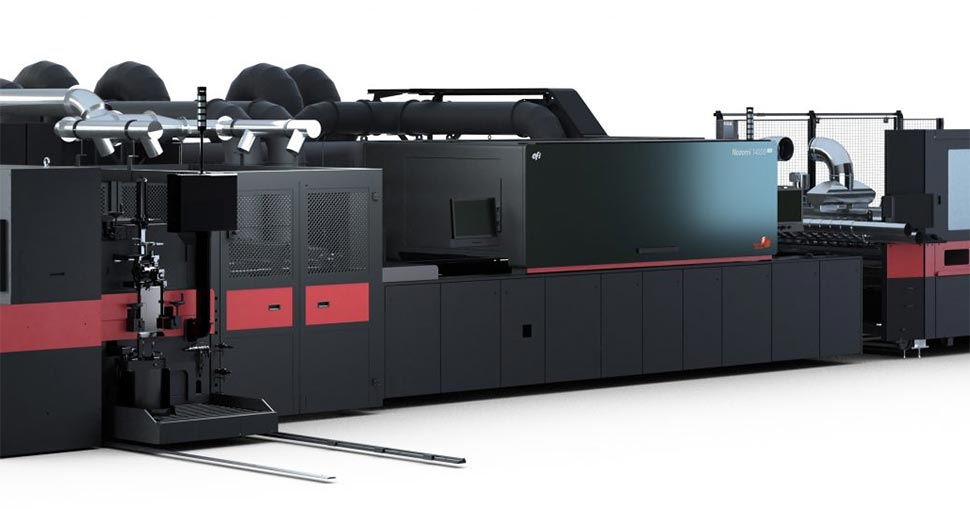
Digital printing has transformed the packaging landscape, giving brands faster turnarounds, greater customization, and the agility to respond to rapid market changes. But not all digital print technology operates the same way. The two dominant methods, single‑pass and multi‑pass printing, use similar core components such as inkjet printheads, digital front ends, and advanced color management, but the way they apply ink to substrate is fundamentally different. Those differences have major implications for speed and application. They each offer distinct advantages, and understanding the difference is key to choosing the right solution for your packaging needs.
Below, we break down how each process works, the benefits they offer, and why single‑pass digital printing has become a game‑changer for high‑volume, high‑quality packaging.
How the Technology Works
Multi‑Pass Digital Printing
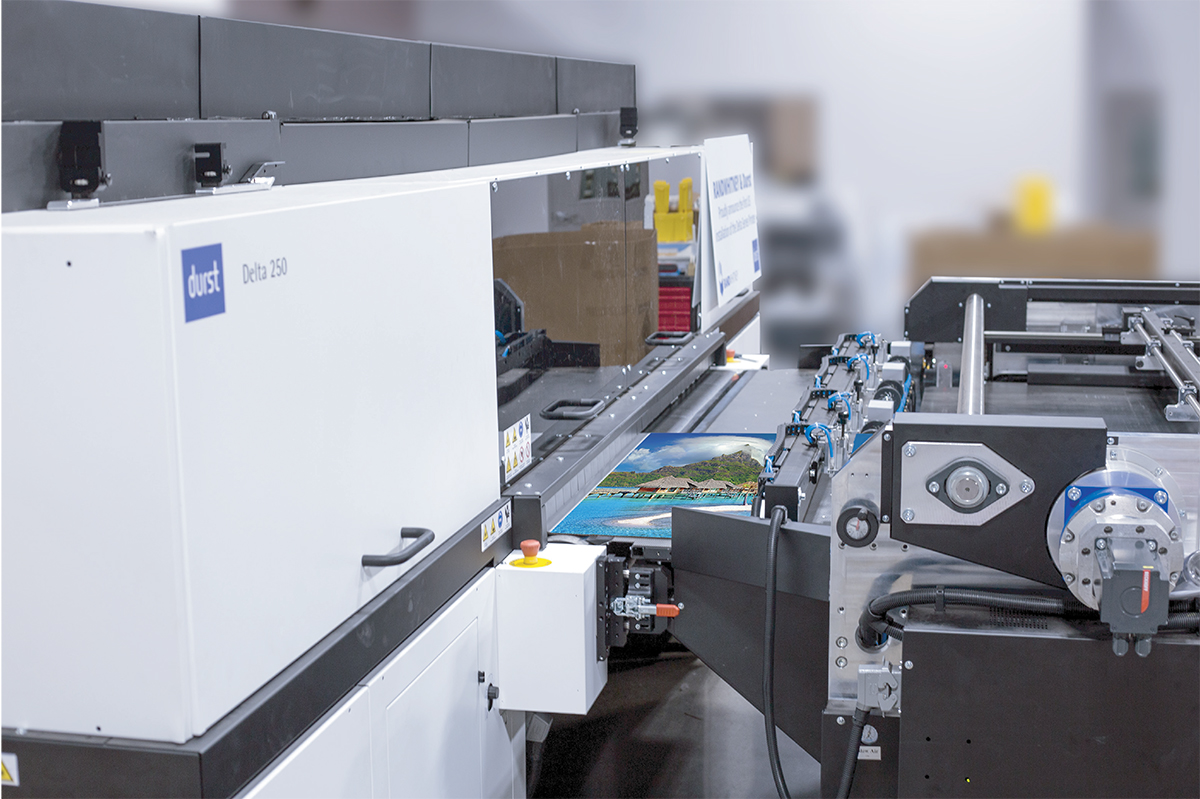
Multi‑pass digital printers operate similarly to desktop inkjet printers. The print heads move back and forth, laying down ink in multiple passes across the substrate, moving the printhead carriage back and forth across the material, building images slowly through layered ink deposition. Each pass applies a portion of the image until the full graphic is complete.
✅ Strengths:
- Excellent color quality and consistency
- Ideal for short runs, prototypes, and variable graphics
- Works well on many substrates
⛔ Limitations:
- Slower print speeds because each area is printed multiple times
- Less suited for high‑volume production
Multi‑pass excels when flexibility and fine‑tuned detail matter more than speed.
Printhead Characteristics:
- Printheads travel on a mechanical carriage along the X‑axis
- Substrate advances incrementally along the Y‑axis
- Each pass prints only part of the image
Resolution & Quality:
- Up to 2400 dpi
- Multi‑layering allows for high perceived resolution (via multiple ink drops blending)
Speed Constraints:
- Typical speeds: Up to 77 Sheets per hour
- More passes = higher image quality but lower throughput
Best Use Cases
- Prototyping
- Samples and proofing
- Short‑run production
- Highly intricate artwork where slower print speed is acceptable
Single‑Pass Digital Printing

Single‑pass systems take a fundamentally different approach. Instead of the print head moving, the print heads form a fixed, stationary array across the width of the machine. As the substrate moves beneath, the entire image is printed in one continuous pass.
✅ Strengths:
- Extremely high production speeds
- Capable of high‑resolution graphics
- No need for print plates, making it ideal for fast‑moving campaigns
- Excellent repeatability and consistency on long runs
⛔ Considerations:
- Designed primarily for production environments rather than small‑batch work
Single‑pass bridges the gap between digital flexibility and the throughput traditionally associated with flexo or litho printing.
Printhead Characteristics:
- Long, stationary print bars composed of hundreds of individual printheads
- Each color (CMYK + V, O) has a dedicated print bar
Drop Placement & Speed:
- 360 dpi, apparent resolution up to 805 dpi
- Very high drop frequency
- Ink is laid down in a single, synchronized pass, reducing registration errors
LED Curing:
- Instant cure behind each color channel maintains dot integrity
- Reduces dot gain and allows for photorealistic image reproduction
Production Speeds:
- Up to 14,000 ft/hour
- Designed for continuous 24/7 operation
Best Use Cases
- High‑volume corrugated packaging
- Retail and POP displays
- Seasonal SKUs with frequent design revisions
- Brand launches demanding fast turnaround
Which Technology Is Right for You?
Both technologies have their place:
- Choose Multi‑Pass for prototypes, very short runs, samples, or projects requiring frequent design variation at low quantities.
- Choose Single‑Pass for high‑volume packaging, retail displays, and any application where speed, consistency, and flexibility matter.
With equipment like the EFI Nozomi 14000 LED, single‑pass printing is redefining what’s possible in digital corrugated packaging, delivering unmatched speed, accuracy, and brand‑boosting print quality without the need for traditional plates.